
Apache County Felony Records
Apache County felony records are maintained by the Clerk of Superior Court in St. Johns. This rural county in northeast Arizona handles criminal cases at its courthouse on West 3rd South Street. You can search for felony case information online through state court portals or visit the clerk in person. The Apache County Sheriff also provides an inmate search tool that shows current jail bookings. Finding criminal records here takes a bit more effort than in larger Arizona counties, but the offices are helpful and respond to requests. This guide covers where to search, what fees apply, and how to get copies of felony records in Apache County.
Apache County Felony Records Quick Facts
Apache County Clerk of Superior Court
The Apache County Clerk of Superior Court keeps all felony case records for this county. The office is at 70 W. 3rd South St. in St. Johns, Arizona 85936. You can call them at (928) 337-7550. Office hours run from 8:00 a.m. to 5:00 p.m. on weekdays. The clerk handles case filings, maintains court records, and processes requests for copies. If you need felony records from Apache County, this is the main source.
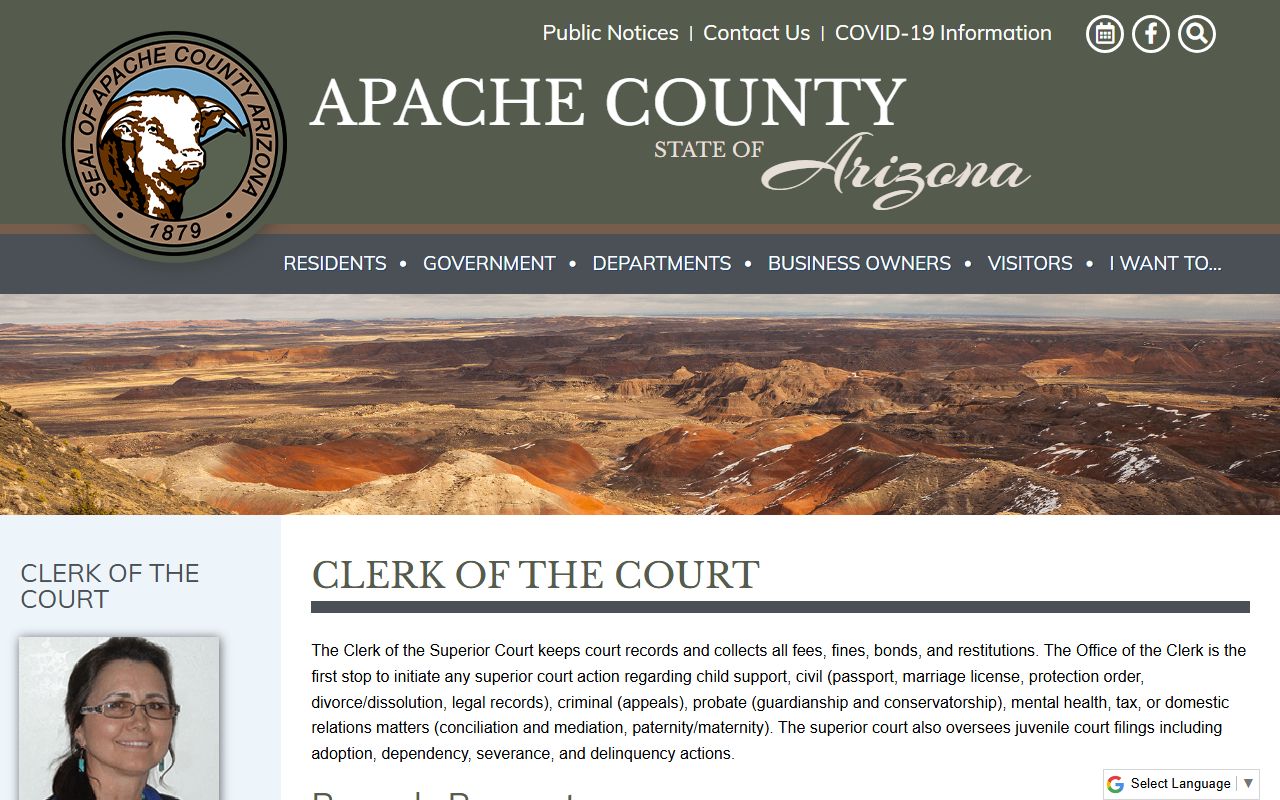
The clerk office website has basic info about court services and records.
When you request felony records from the Apache County clerk, expect to pay standard fees. The search fee is $30. Copies cost $0.50 per page. If you need certified copies, add $30 per certification. Mailing costs $7 extra. These fees match what most Arizona counties charge. You can pay by cash, check, or money order at the clerk window. Call ahead to confirm they accept credit cards if you plan to pay that way. Some smaller county offices in Arizona have limits on payment types.
The clerk can provide copies of charging documents, plea agreements, sentencing orders, and final judgments from felony cases. You will need a case number or the defendant name to search. Staff can help you look up cases if you visit in person. Phone requests work too, but complex searches may need you to come to the office. The clerk cannot give legal advice about what records mean or how to use them.
How to Search Apache County Felony Cases Online
Apache County felony cases appear in the statewide court system. The Arizona Judicial Branch runs the Public Access Case Lookup tool that covers courts across the state. You can search by name or case number. This free tool shows basic case info like charges, hearing dates, and case status. It works for Apache County Superior Court cases.
For more detail, the state offers eAccess. This lets you view actual court documents. The first page is free. Full documents cost $10 each. Monthly plans range from $80 to $10,000. Most people just pay per document. This system works well for Apache County felony records when you need to see the full filings, not just case summaries.
Online search has limits. Not every document gets scanned. Older cases may only exist on paper. Sealed or expunged records will not show up. If you cannot find what you need online, contact the Apache County clerk directly. They can search physical records that have not been digitized. Rural counties like Apache sometimes lag behind in putting old records online.
Apache County Sheriff Criminal Records
The Apache County Sheriff's Office handles arrests and runs the county jail. Their main office is at 370 South Washington in St. Johns. Call (928) 337-4321 for general questions. The sheriff makes arrests for felony crimes in the county. Booking records and arrest reports start here before cases move to the court system.
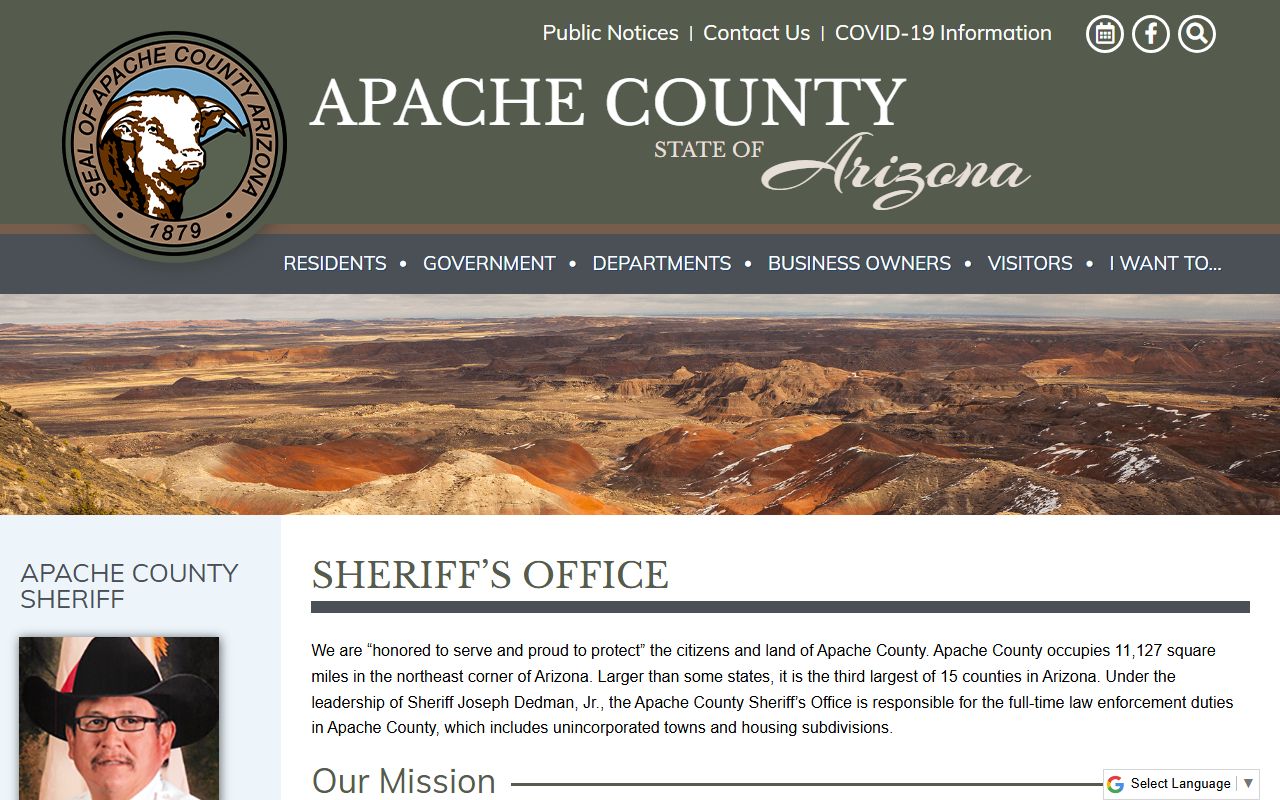
The sheriff website provides contact info and details about jail services.
Arrest records from the sheriff may contain different info than court records. The arrest report shows what led to the arrest. It has the officer narrative, charges at booking, and basic facts about the incident. Court records show what happened after, such as whether charges were filed, reduced, or dismissed. For a full picture of an Apache County felony case, you may need records from both the sheriff and the clerk.
To request records from the sheriff, you can call or visit. Many agencies accept public records requests by mail or email too. Under Arizona Title 39, these are public records unless sealed by law. Ask for the records request form and fee schedule. Response times vary. Simple requests may be ready in a few days. Complex requests take longer. The sheriff has to review records before release to redact protected info like victim details or juvenile names.
Apache County Inmate Search
Apache County provides an online inmate search portal where you can look up people currently in the county jail. This tool shows booking info, charges, and bond amounts for current inmates. It updates regularly as people get booked in or released. The portal is free to use.
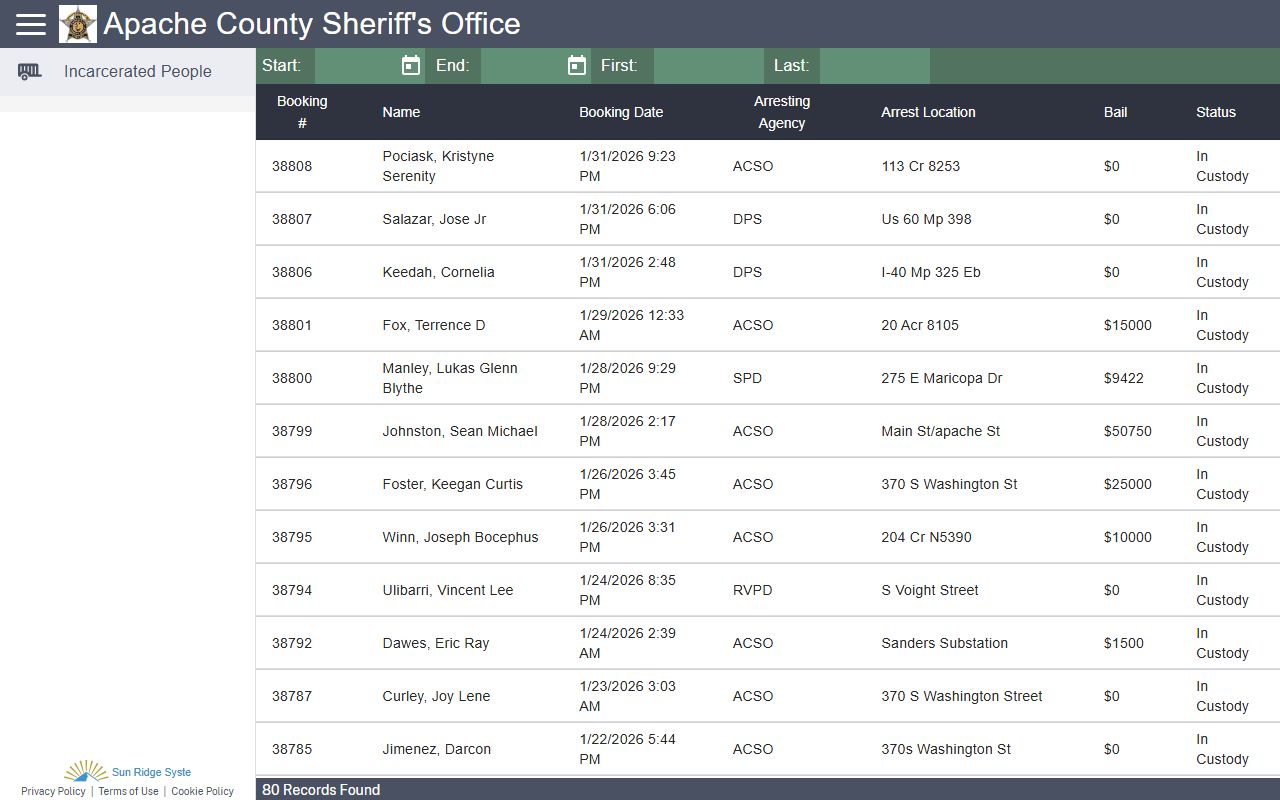
Search for current inmates by name on this portal.
The inmate search shows recent arrests but not historical records. Once someone is released, they drop off this list. For past bookings or closed cases, you need to contact the sheriff or clerk. The portal is most useful when you want to know if someone is currently in Apache County jail. You can see what charges brought them in and whether they have a bond set. Felony charges often appear alongside misdemeanor charges in the same booking record.
Note: Current inmate status can change at any time, so verify with the jail if you need up-to-date info.
Apache County Felony Record Fees
Apache County charges standard fees for felony records. The clerk office fees are set by state rules with some local variation. Here is what you can expect to pay when requesting records in Apache County:
- Search fee: $30 per name search
- Copies: $0.50 per page
- Certification: $30 per document
- Mailing: $7 for standard mail
The sheriff office may have different fees for arrest reports and incident records. Call ahead to get exact costs. Most agencies charge per page for copies. Some have minimum fees for any request. Payment methods vary by office. The clerk usually takes cash, checks, and money orders. Credit cards may or may not be accepted depending on their system. Bring multiple payment options if you visit in person.
If you need records sent to you by mail, add extra time. First class mail from St. Johns to most Arizona cities takes 3 to 5 days. Out of state can take longer. Some people drive to the courthouse when they need records fast. The clerk can usually pull and copy documents while you wait if they are not too busy. Call first to make sure someone is available to help with your request.
Arizona State Criminal Record Resources
Beyond local sources, the Arizona Department of Public Safety maintains the Central State Repository. This database holds arrest and conviction records from across Arizona, including Apache County. Under A.R.S. Section 41-1750, DPS collects data from all criminal justice agencies in the state. You can review your own record for free through DPS.
The DPS Criminal History Records page explains how to access statewide records. DPS does not run background checks for private employers though. That limit applies to Apache County records in the state database too. Private citizens must use court records or hire a search service. The main DPS office is at 2222 W. Encanto Blvd. in Phoenix. You can call (602) 223-2222 for questions about criminal history records.
The Public Services Portal handles online requests. You can pay by credit card there. Wait at least 30 business days for processing. DPS has high volumes of requests to handle.
Sealing Felony Records in Apache County
Arizona allows some felony records to be sealed. This option started on December 31, 2022. A.R.S. Section 13-911 sets the rules. You file a petition with the court that handled your case. For Apache County felonies, that means filing with the Apache County Superior Court.
Not all felonies can be sealed. Dangerous offenses, crimes against children, and violent felonies are not eligible. The waiting period depends on the felony class. Class 2 and 3 felonies have a 10 year wait. Class 4, 5, and 6 felonies have a 5 year wait. The clock starts when you complete your sentence, including probation. A judge reviews each petition and decides whether sealing serves justice. If granted, the records become hidden from most public searches.
Sealed records still exist. Law enforcement can still see them. They just do not show up on standard background checks or court portal searches. Talk to an attorney if you want to pursue sealing. The process has specific steps and requirements. Legal aid groups in Arizona can sometimes help with this.
About Felony Cases in Apache County
Apache County is one of Arizona's largest counties by land area but smallest by population. The county covers over 11,000 square miles in northeast Arizona. It includes parts of the Navajo Nation and the Fort Apache Indian Reservation. This creates some complexity for criminal records. Tribal courts handle some offenses that occur on reservation land. Those records are separate from the county system.
For felonies handled by Arizona state courts, the Apache County Superior Court has jurisdiction. The courthouse in St. Johns serves the whole county. Cases from towns like Springerville, Eagar, and Round Valley come through here. The small population means the court has a lighter caseload than urban counties. Staff can often give more personal attention to records requests.
If you think a crime occurred on tribal land, contact tribal authorities. The Navajo Nation courts and White Mountain Apache tribal courts handle their own records. Those are not in the county system. The Apache County clerk only has records from cases filed in their court. Make sure you know where the offense happened before requesting records.
Nearby Counties for Felony Records
Apache County borders several other counties in northeast Arizona. If you need to search multiple areas, here are links to neighboring county information:
Each county clerk office has its own records. A search in Apache County does not include records from other counties. If you need a broader search, check the Arizona statewide court portal or request records from multiple counties separately.